
National Wine Competition
Douja d’Or Prize
Since 1973, every year the Asti Chamber of Commerce has organised the “Douja d’Or” Prize, a national wine competition open to DOC and DOCG wines from all over Italy. The event is staged by the Azienda Speciale of Asti Chamber of Commerce under the Ministry for Agricultural, Food Industry and Forestry Policies, with the technical collaboration of the ONAV, the national organisation of wine tasters. The call for entries is published in the month of January and the award ceremony is held in September during the Douja d’Or festival. In a number of sessions experts and tasters from the ONAV examine the samples, which are presented anonymously. In the sensory analysis the sight, nose and taste of each wine is carefully assessed. The classification is awarded to wines that score at least 85 points out of 100. Samples which score over 90/100 enter the top classification of the Douja d’Or. All of the wines selected are entitled to display the “Premio Douja d’Or” label approved by the Ministry for Agricultural, Food Industry and Forestry Policies.
Douja d’Or National Wine Show
Second/Third week of September
In Piedmontese dialect the “douja” (pronounced dooya) was an ancient terracotta jug used to decant, store and serve wine. In Asti the “Douja d’Or”, or “golden jug” is the symbol of the wine festival. Launched by the Asti Chamber of Commerce in 1967, the event has grown year by year, becoming one of Italy’s most prestigious wine fairs. In September, in a ten-day period covering the second and third weekends of the month, hundreds of DOC and DOCG wines selected by the experts from the ONAV in the national “Douja d’Or” competition are presented to be tasted and sold. The stars of the show are the wines that are the ambassadors for the Asti area throughout the world: Asti Spumante and Moscato, Barbera and Alta Langa Metodo Classico. Visitors have the chance to experience the very best of these wines made by the best local producers. Food and wine come together as top chefs present a “signature dish” each evening, and the fair offers a wide array of Piedmont’s outstanding gourmet specialities. The initiative also features a packed programme of cultural events inspired by the world of wine – art, music, theatre and literature – with guests of national standing.
Festival delle Sagre
Second Sunday of September
This unique event held on the second Sunday of September every year, celebrates the customs and traditions of country life. Three thousand people take part in the procession in costume, with vintage farm equipment and tractors lining the streets of the town, recreating country life in the 19th century and early 20th century. Each village association re-enacts the work in the fields, the local trades, the country celebrations and religious rituals, from the harvesting the grapes to threshing the grain, from christenings to coming of age celebrations to weddings. The procession finishes up in piazza Campo del Palio, where Italy’s largest open air restaurant is set up, offering all the flavours and aromas of the most authentic Piedmontese cuisine. A small army of cooks working in situ produce more than 80 different specialities, from starters to sweets, faithfully following the traditional recipes handed down from generation to generation. Each year the event also features dishes prepared by two village associations from further afield. With its ranks of wooden chalets forming a village in the centre of the city, the Festival delle Sagre plays host to around 300,000 visitors from Italy and abroad. Facilities for disabled visitors.
 L’Ossolano è la principale espressione casearia dell’estremo nord del Piemonte, prodotto dal latte di vacche nate, allevate e nutrite esclusivamente nelle valli di Anzasca, Antrona, Divedro-Antigorio-Formazza, Isorno e nella Valle Vigezzo, entità geografiche che si aprono nella Val d’Ossola.
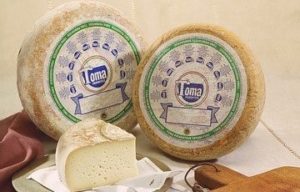 Il formaggio “Toma Piemontese”, formaggio prodotto esclusivamente con latte di vacca, ha origini che risalgono all’epoca romana, ma solamente documenti dell’anno mille riportano citazioni che lo identificano precisamente, figurando soprattutto nei “pastus” distribuiti ai poveri o ai lavoratori subalterni, tanto da convalidare l’ipotesi di un suo uso, almeno in questi periodi iniziali, caratteristico dei ceti popolari; pare infatti andassero per la maggiore formaggi particolarmente piccanti e detti “formaggi dei poveri”.
 Il Salame Piemonte ha forma cilindrica, o incurvata per le pezzature più piccole, è compatto e di consistenza morbida che deriva dalla breve stagionatura. La fetta si presenta compatta e omogenea di colore rosso rubino. Il profumo è delicato di carne matura stagionata, di vino e di aglio. In particolare, l’aggiunta del vino derivante da uve Barbera, Dolcetto e Nebbiolo conferisce al prodotto un terroir unico e particolare.
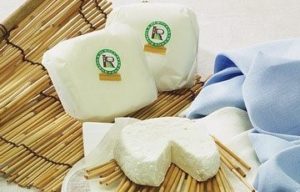 La Robiola di Roccaverano, è un formaggio fresco sottoposto a maturazione, o affinato e per la sua produzione si adopera latte crudo intero di capra, di pecora e di vacca, proveniente esclusivamente dall’area di produzione. Le origini risalgono ai Celti che producevano un formaggio simile al prodotto attuale. Con l’avvento dei Romani il formaggio assunse il nome di “rubeola”. Ma l’importanza della “Robiola” venne evidenziata in un manoscritto del 1899, fra le notizie storiche di interesse politico: nel Comune di Roccaverano venivano tenute cinque fiere annue, durante le quali si vendevano per l’esportazione “eccellenti formaggi di Robiole”. L’alimentazione degli ovi-caprini e delle vacche è ottenuta anche dal pascolamento degli animali e dall’utilizzo di foraggi verdi e/o conservati che si ottengono dai prati e prati-pascoli ricchi di numerose piante aromatiche ed officinali. Sono proprio queste specie spontanee di erbe officinali o comunque capaci di avere qualità particolari che costituiscono un alimento di alta qualità per gli allevamenti ovini e caprini, nonché per il bestiame bovino e che con i vari profumi ed aromi fanno assumere alla “Robiola di Roccaverano” una fragranza che lo distingue da ogni altro formaggio.
 Il formaggio “Raschera”, formaggio prodotto da latte vaccino, con eventuali aggiunte di latte ovino o caprino è storicamente presente nella provincia di Cuneo e richiama il nome del Lago Rascherà, nell’area prospiciente la zona del Monregalese, da cui si è diffusa la produzione del formaggio che ha conservato le caratteristiche originarie, legate ad una tecnica consolidata.
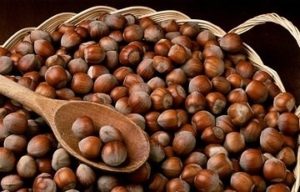 La «Nocciola del Piemonte» o «Nocciola Piemonte» designa il frutto in guscio, sgusciato o semilavorato della varietà di nocciolo «Tonda Gentile Trilobata » ed ha sapore finissimo e persistente e polpa croccante.
 Il formaggio “Murazzano”, formaggio di latte ovino, che può essere integrato con latte vaccino, è storicamente presente nella provincia di Cuneo e richiama il nome del Comune di Murazzano che ne è il centro maggiore di produzione.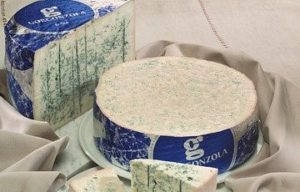
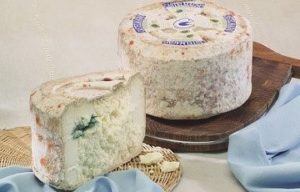 Il Castelmagno prende il suo nome dal santuario dedicato a San Magno presente nel comune omonimo. Le origini sono antichissime: le prime forme furono prodotte già nel XII secolo e il primo documento ufficiale che registra la sua esistenza è una sentenza arbitrale in cui il Comune di Castelmagno sconfitto dovette pagare in natura, come canone annuo, forme di formaggio al marchese di Saluzzo.